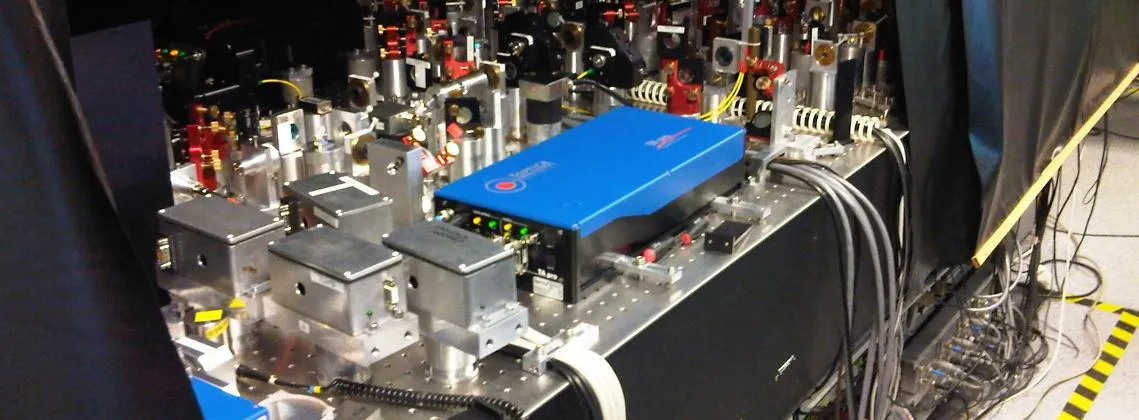
Vibration Isolators – Rubber-Metal Mounts, Air Springs & Custom Solutions
Introduction
Vibration isolators play a crucial role in protecting machinery, equipment and sensitive components from unwanted vibrations, mechanical shocks and structure-borne noise.
cplusw offers a comprehensive range of vibration isolators, rubber-metal mounts, air springs and customized isolation systems for industrial applications. Our portfolio includes proven standard products as well as specialized solutions for demanding engineering projects.
Beyond supplying components, we support our customers with technical consulting, product selection, system design and performance optimization.
By combining engineering expertise, measurement technology and practical application experience, we develop vibration isolation solutions that improve operational reliability, extend equipment service life and reduce unwanted vibration transmission.
Vibration isolation is essential wherever mechanical vibrations affect equipment performance, operational safety or measurement accuracy.
Vibration isolators are used to:
- Reduce mechanical vibrations and oscillations
- Protect sensitive equipment and components
- Minimize structure-borne noise transmission
- Support static and dynamic loads
- Reduce the risk of resonance-related problems
- Improve machine performance and operational stability
Typical applications include:
- Mechanical and plant engineering
- Machinery and engine mounting systems
- Test benches and experimental equipment
- HVAC systems and building services
- Precision machinery and laboratory equipment
- Special-purpose machinery and customized industrial systems
Selecting the appropriate vibration isolation system helps improve performance, reduce maintenance requirements and protect machinery from excessive dynamic loads.
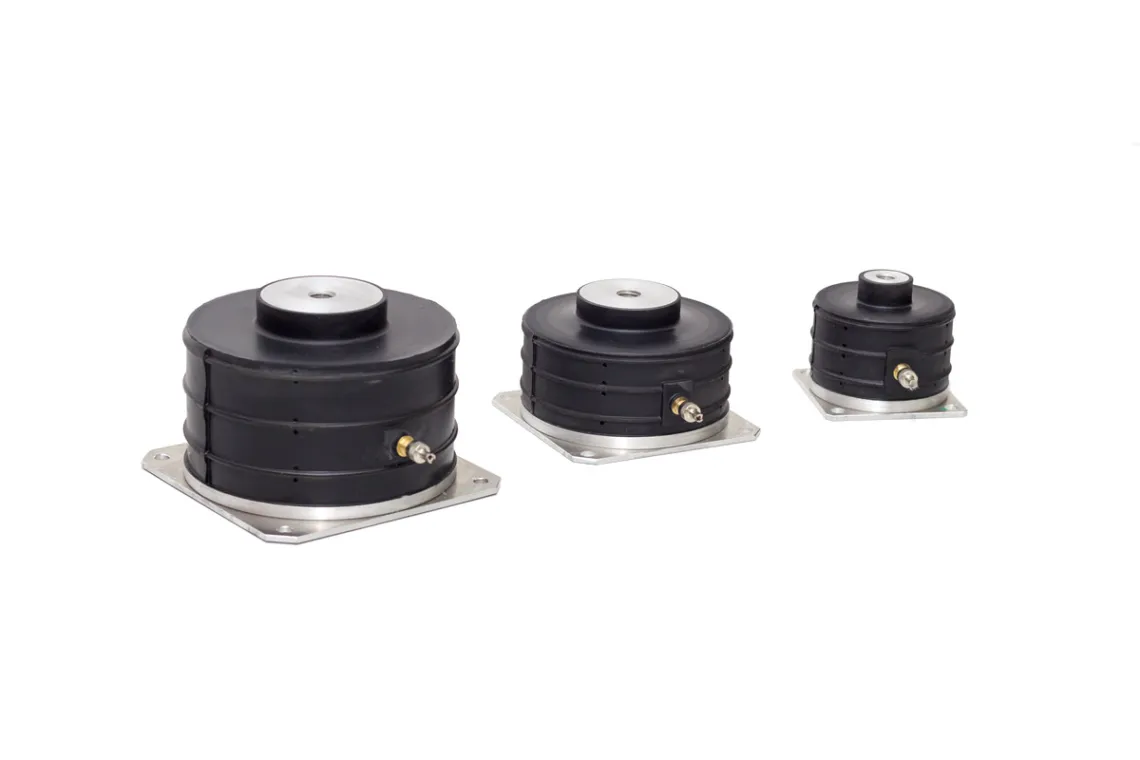
Rubber-Metal Mounts
Rubber-metal mounts, also known as rubber-to-metal bonded mounts, are robust and versatile vibration isolation components designed to withstand static and dynamic loads.
They combine the elastic properties of rubber with the mechanical strength of metal components, providing effective vibration isolation and damping.
Depending on their design, rubber-metal mounts can accommodate:
- Compressive loads
- Tensile loads
- Shear loads
- Combined static and dynamic loading
Their compact design, straightforward installation and reliable damping characteristics make them suitable for a wide range of industrial applications.
Air Springs & Pneumatic Vibration Isolators
Air springs and pneumatic isolators provide highly effective vibration isolation, particularly where low natural frequencies are required.
By using compressed air as the elastic medium, these systems can achieve excellent isolation performance, even at relatively low excitation frequencies.
Typical applications include:
- Precision machinery
- Sensitive measurement equipment
- Laboratory and testing systems
- Industrial machinery
- Equipment requiring adjustable mounting height
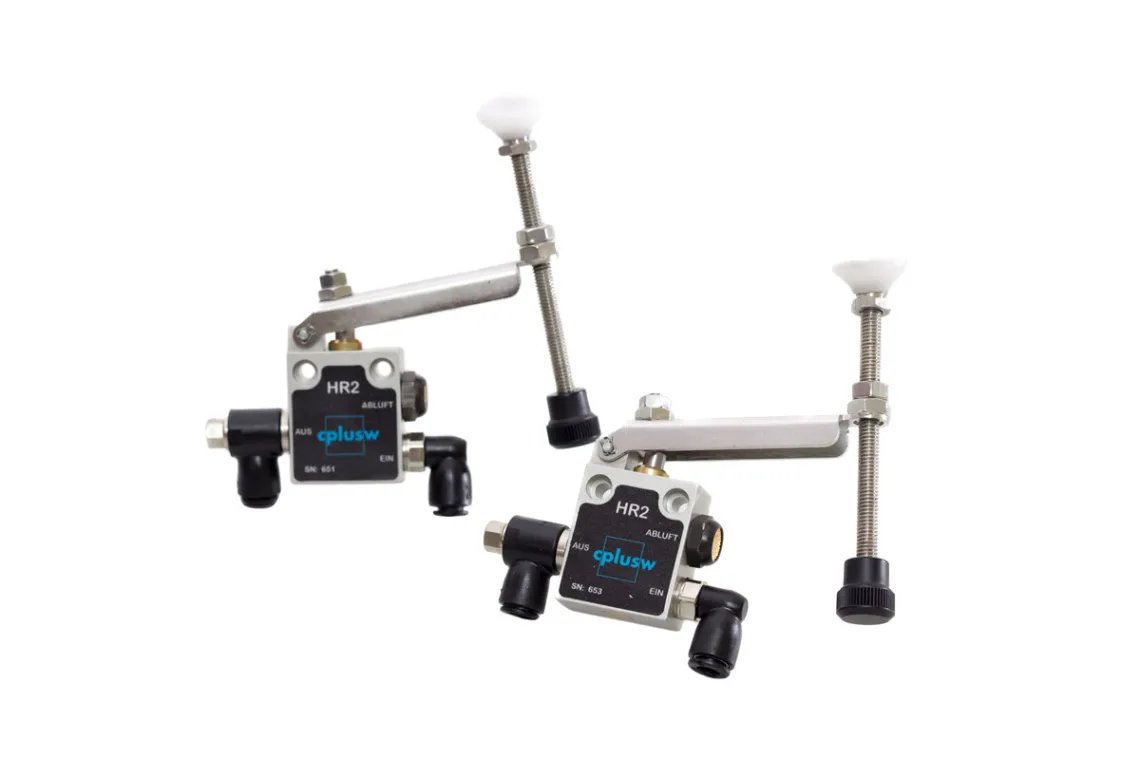
Depending on the system configuration, height adjustment and automatic leveling allow the isolation system to adapt to changing loads and operating conditions.
Combined Isolation Systems & Custom Solutions
Some applications require more than conventional vibration isolators.
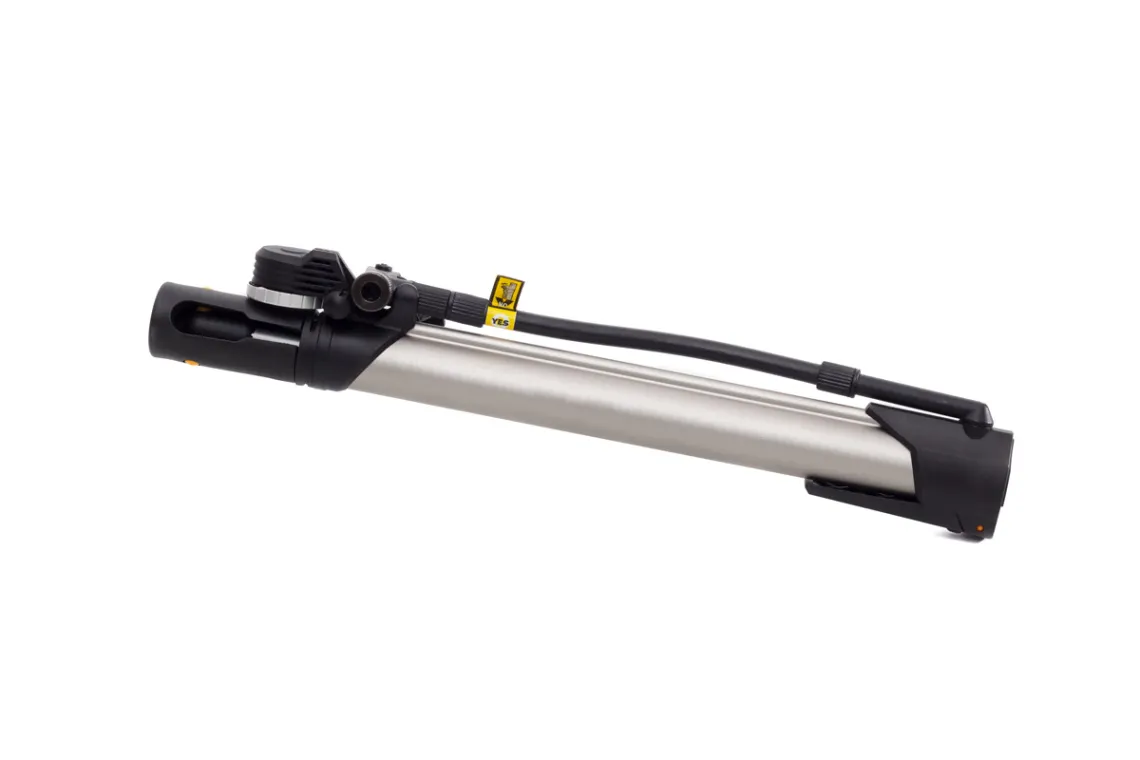
Combined systems incorporating elastomeric and pneumatic components can provide additional functionality, including improved operational safety and emergency support characteristics.
Such systems may offer:
- Effective vibration isolation
- Additional mechanical support
- Emergency load-bearing capability
- Adaptability to changing operating conditions
- Improved reliability in demanding applications
cplusw supports customers in selecting and adapting suitable solutions for specific technical requirements.
Selection and Engineering Design of Vibration Isolation Systems
The effectiveness of a vibration isolator depends largely on its correct selection and engineering design.
A suitable isolation system must account for the mechanical characteristics of the equipment, operating conditions and installation requirements.
Important design parameters include:
Machine Mass and Center of Gravity
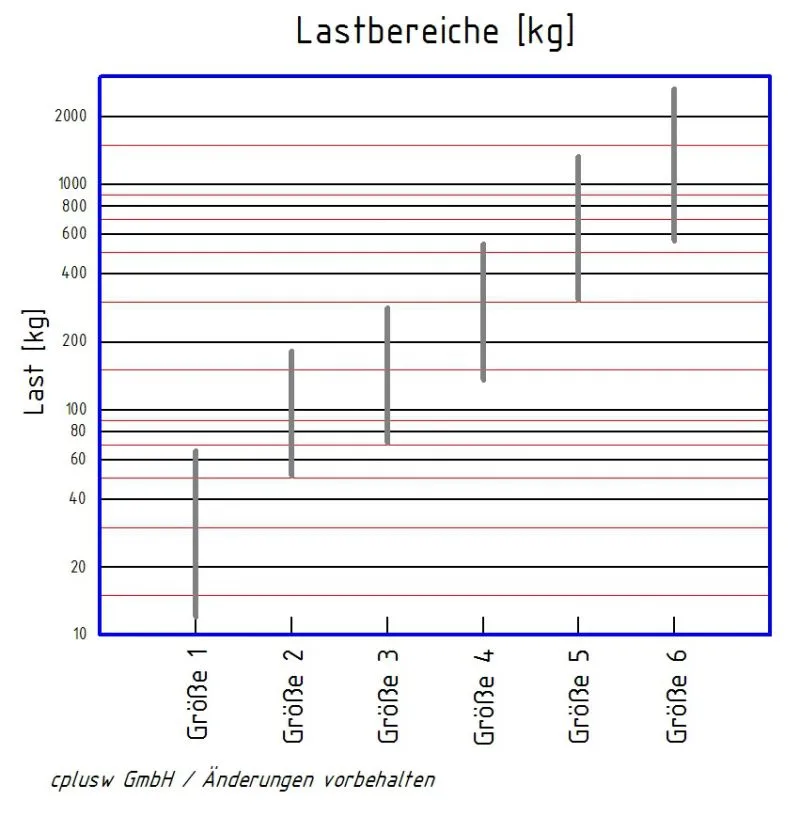
The total mass, load distribution and center of gravity determine the static loading of individual isolators and influence overall system stability.
Operating Speeds and Excitation Frequencies
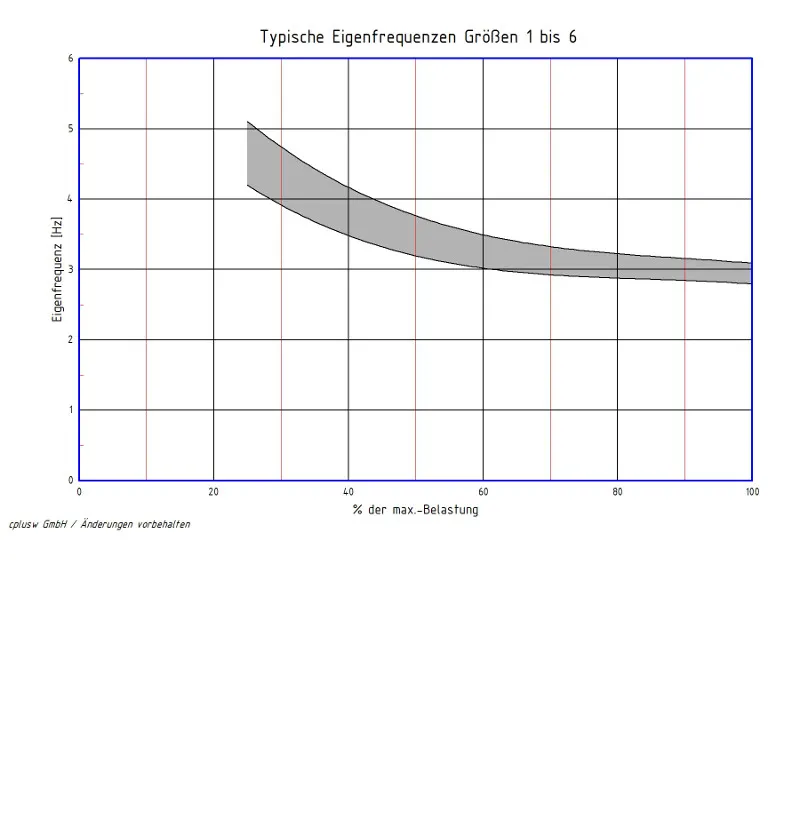
Machine operating speeds, excitation frequencies and potential resonance conditions must be considered to achieve effective vibration isolation.
Installation Conditions
Available space, mounting geometry and accessibility can significantly influence the selection of suitable isolation components.
Environmental Conditions
Temperature, exposure to chemicals or other media, and material ageing may affect the long-term performance of vibration isolators.
Leveling and Adjustment Requirements
Depending on the application, height adjustment, leveling accuracy and compensation for changing loads may be important selection criteria.
cplusw provides engineering support for evaluating these parameters, selecting suitable components and adapting existing isolation systems.
If required, we can accompany the entire process from initial calculations and testing through to installation and commissioning.
Why Choose Vibration Isolators from cplusw?
Our customers benefit from more than a comprehensive product portfolio.
- Extensive Product Range: Standard vibration isolators, air springs and specialized industrial components.
- Engineering Expertise: Technical consulting and support from experienced engineers.
- Customized Solutions: Adaptation of existing products and development of application-specific isolation concepts.
- Integrated Engineering Services: Close cooperation between product selection, engineering design and testing.
- Practical Experience: Extensive expertise in industrial machinery and demanding technical applications.
- Reliable Technical Support: Assistance from initial concept through implementation.
Our goal is to identify technically appropriate and economically efficient vibration isolation solutions for each application.
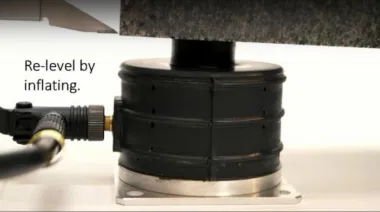
Re leveling After Load Change
Re leveling After Load Change
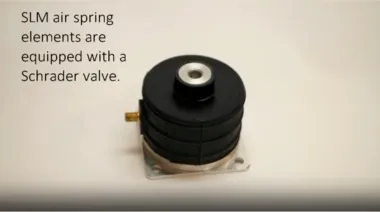
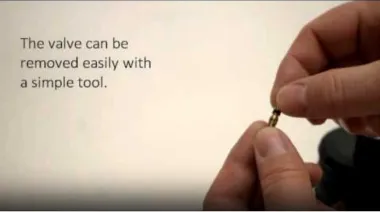
Bypass Internal Valve Method 1
Bypass Internal Valve Method 2
Contact – Find the Right Vibration Isolation Solution
Are you planning a new machine installation, looking for suitable vibration isolators or considering improvements to an existing mounting system?
Our engineers will help you evaluate your requirements and identify an appropriate solution.
Whether you need standard components, pneumatic isolation systems or customized engineering support, cplusw combines product expertise with practical engineering experience.
Contact our team to discuss your vibration isolation requirements.
Frequently Asked Questions
What is a vibration isolator?
What is a vibration isolator?
A vibration isolator is a mechanical component designed to reduce the transmission of vibrations between a machine, structure or sensitive piece of equipment and its surroundings.
Depending on the application, vibration isolators may use elastomeric materials, metal springs or pneumatic systems to achieve the required isolation performance.
What is the difference between vibration isolation and vibration damping?
What is the difference between vibration isolation and vibration damping?
Vibration isolation reduces the transmission of vibrations between connected systems. Vibration damping dissipates vibrational energy and reduces oscillation amplitudes, particularly around resonance.
Many industrial isolation systems combine both functions to achieve suitable dynamic performance.
When should air springs be used instead of rubber-metal mounts?
When should air springs be used instead of rubber-metal mounts?
Air springs are particularly suitable for applications requiring low natural frequencies, high isolation performance or adjustable mounting height.
Rubber-metal mounts are often preferred for robust, compact installations where simplicity and reliable damping are important.
The most suitable solution depends on load conditions, excitation frequencies and installation requirements.
How do I select the correct vibration isolator?
How do I select the correct vibration isolator?
Selecting the correct vibration isolator requires consideration of machine mass, load distribution, excitation frequencies, operating conditions and installation geometry.
The isolator's stiffness and resulting natural frequency are particularly important for achieving the desired isolation performance.
cplusw supports customers with technical selection and engineering evaluation.
Can vibration isolators reduce machine noise?
Can vibration isolators reduce machine noise?
Yes. Vibration isolators can reduce structure-borne noise by limiting the transmission of mechanical vibrations into surrounding structures.
However, they do not directly eliminate airborne noise. Effective noise reduction may therefore require additional acoustic measures.
Does cplusw provide customized vibration isolation solutions?
Does cplusw provide customized vibration isolation solutions?
Yes. In addition to standard products, cplusw supports the development and adaptation of isolation systems for specific industrial applications.
Engineering design, technical assessments and testing services can be combined to develop suitable solutions for demanding projects.
Can existing vibration isolation systems be improved?
Can existing vibration isolation systems be improved?
Yes. Existing systems can be evaluated to identify unsuitable isolator characteristics, resonance problems, excessive vibration transmission or unfavorable mounting conditions.
Based on the findings, cplusw can recommend suitable components, design modifications or additional technical investigations.